
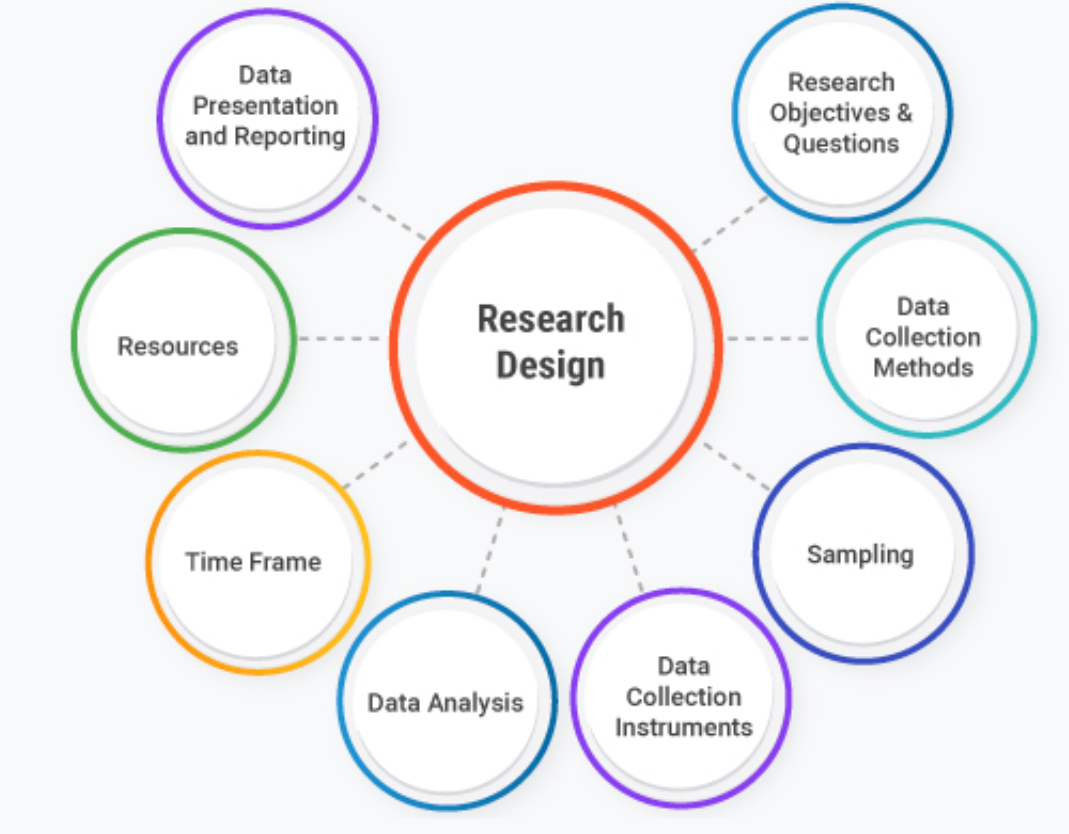
Research design is the overall plan for conducting a study, while methodology refers to the specific methods used to implement that plan. Research design provides the framework, outlining the strategy for data collection and analysis, and ensuring the study can answer the research question efficiently. Research methodology is the systematic approach for gathering, analyzing, and interpreting data, detailing the specific techniques and instruments chosen to execute the research design.
Continuous Evaluation (TD) Details:
· Attendance: 50%
· Participation: 5%
· Class work: 45%
Remark: No Examination
- Enseignant: Rima MENIDJEL
This course is designed to introduce students to
the complex issue of race, ethnicity, and culture in both the USA and the UK
and how they interact with each other taking into account the historical,
sociological, psychological, and political background\s. Students are expected
to use their critical thinking skills to debate and analyse the proposed
controversial topics and selected case studies regarding race and ethnicity
with emphasis on their cultural framework.
- Enseignant: RIMA ZIAYA
Introduction
The course Contemporary World Civilizations (CWC) has been conceived as
both a historical survey and a pedagogical tool for advanced EFL students. It
seeks to bridge disciplinary knowledge and language practice, thereby ensuring
that students not only acquire a solid understanding of the major events that
shaped the modern world but also learn to articulate that understanding in
precise and sophisticated English. The integration of history and language study
reflects the belief that content-based learning enhances linguistic competence,
while critical engagement with texts sharpens historical and cultural awareness.
Aims and Objectives
The main objectives of this textbook and tutorial are fourfold:
1. Historical Knowledge: To provide students with an informed
understanding of key global transformations from the mid-twentieth
century to the present, with attention to Europe, Asia, Africa, the Middle
East, and broader contemporary global trends.
2. Critical Thinking: To develop the ability to analyze historical narratives,
question dominant discourses, and connect past developments with
present-day realities.
3. Language Development: To improve advanced academic English skills,
including reading comprehension, note-taking, summarizing, critical
essay writing, oral presentation, and academic discussion.
4. Global Awareness: To cultivate intercultural competence and a global
perspective that is indispensable for students of English language and
literature in an era of interconnectedness.
Syllabus Topics
I. European Contemporary History:
- Democratizing Revolutions of Eastern Europe in 1989
- The dissolution of the Soviet Union
- The process of European integration (European Union).
II. Asian Contemporary History
- The history of the People's Republic of China
(The Emergence of China as a Superpower)
- Indian independence
- The Korean, Vietnam, and Afghanistan wars
- The US Forces stationed in Japan and South Korea
III. The Middle East and North Africa
- The Arab-Israeli conflict
- Arab Nationalism and Islamism
- Western Reactions to Democratization in North Africa
IV. African History
- Apartheid in South Africa and its abolition
- Decolonization in Africa
V. Contemporary Era
- The information age and computers/
- Late modern terrorism and warfare:
- Arab Spring
- Present and Future Socio-technological Trends
- Challenges and problems
-
Climate change
- Emerging
technologies
Methodology
The pedagogical approach adopted here is grounded in Content and Language
Integrated Learning (CLIL), which encourages students to learn subject
matter through the target language. Tutorials emphasize active participation,
requiring students to engage in debates, group projects, role-plays, and academic
writing. Authentic materials, such as political speeches, journalistic texts, and
excerpts from scholarly works, are incorporated to expose learners to diverse
registers of English.
Expected Outcomes
By the end of the course, students will be expected to:
Demonstrate a solid grasp of the major events and processes in
contemporary world history.
Analyze and critique historical and political texts in English with clarity
and precision.
Produce well-structured essays and deliver effective oral presentations on
historical themes.
Engage in informed debate on issues of global importance, using English
as a medium of critical thought.
- Enseignant: ABDELKRIM DEKHAKHENA

This course aims at providing students with an intensive introduction to contemporary Anglophone literatures. Students will become acquainted with different trends, techniques, terms and writers, learn strategies for reading and understanding literature, and develop critical skills for discussing and analyzing literary texts.
This course offers an immersive introduction to the rich and diverse world of contemporary Anglophone literatures. Through exploring literary works from different regions, students will encounter a variety of trends, techniques, and critical perspectives that shape modern literature written in English. The course will provide a strong foundation in the analysis of literary texts, equipping students with the tools to interpret and discuss works from Canada, Africa, the Arab world, and Asia, among others.
Students will also explore key concepts such as the meaning of “contemporary literature,” “world literature,” and “Anglophone literature,” as well as strategies for reading and understanding literary texts. Through case studies and presentations, the course promotes critical thinking and engagement with global themes like colonialism, identity, ethical dilemmas, and the politics of translation.
Through weekly face-to-face classes and recorded lectures, presentations, online assignments, and discussions, students will develop the skills to critically examine and appreciate contemporary Anglophone literatures in their global contexts.
- Enseignant: Khawla BENDJEMIL
- Enseignant: FATIMA ZOHRA GASMI