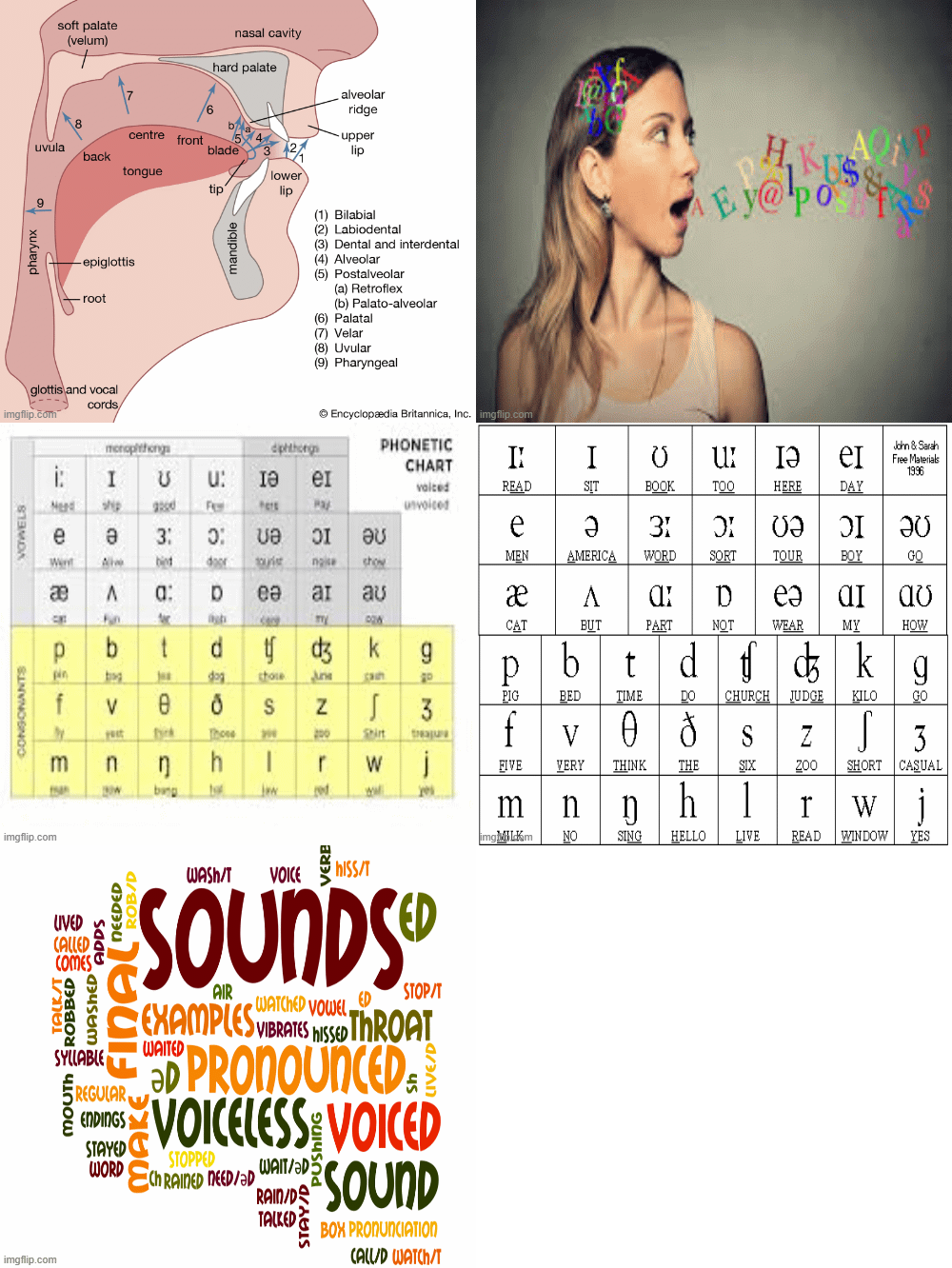
This course introduces the scientific study of speech sounds and sound systems. It explores how sounds are physically produced and perceived (phonetics) and how they function and pattern within languages (phonology). Students will learn to identify, classify, and transcribe sounds using the International Phonetic Alphabet (IPA) and to analyze phonological processes that shape linguistic structure and meaning.
- Teacher: ilyes gouider

Course Description:
This course offers a comprehensive introduction to the scientific study of human language, bridging core theoretical concepts with practical English as a Foreign Language (EFL) pedagogy. Besides familiarising learners with the nature and core components of human language, it aims to help students examine language as both a mental and social activity, contrasting modern descriptive approaches with traditional prescriptive rules and comparing human language features with animal communication. Through structural analysis across phonetics, morphology, syntax, semantics, and pragmatics, learners explore major schools of linguistics and apply this knowledge to design linguistically informed teaching activities, enhance classroom practices, and develop critical language awareness.
Course Objectives:
By the end of this course, students will be able to:
- Define human language, explain its core functions and design features, and distinguish it from animal communication systems.
- Evaluate linguistics as a scientific discipline, differentiate descriptive approaches from prescriptive grammar, examine key schools of modern linguistics, and analyse social factors influencing language variation.
- Conduct foundational analysis across phonetics/phonology, morphology, syntax, semantics, and pragmatics.
- Differentiate linguistic competence from performance with EFL examples, apply structural knowledge to classroom instruction, and design/present targeted EFL teaching activities.
- Evaluate the role of teacher language awareness and synthesise theoretical concepts into real-world EFL contexts through collaborative and individual tasks.
- Teacher: AMINA SELLAMI