- Teacher: Meriem SERHANI
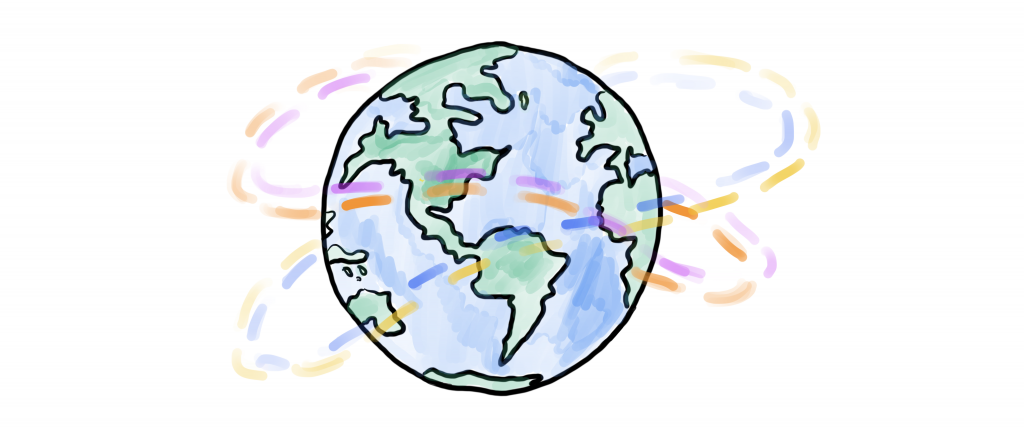
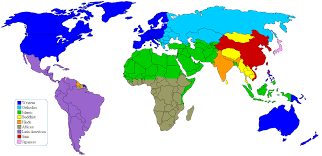
This course is designed to introduce students to the history and politics of the contemporary world. In this course, students will learn about some of the important political, economic, social, intellectual, cultural and religious changes that have shaped the development of recent world civilization.
- Teacher: ABDELKRIM DEKHAKHENA
The main aim of this course is to highlight the reciprocal relationship between language and culture and to raise students’ awareness about the role that culture plays in teaching and learning a foreign language. It introduces the students to the influence of cultural aspects on communication, language use, and language learning. The course examines theories about culture and its elements, its role in learning and teaching foreign languages, issues related to cross-cultural communication (such as misunderstanding, cultural aspects, speech acts, politeness, and gender differences), and different approaches to intercultural competence.
- Teacher: Meriem SERHANI
- Teacher: MOUNYA ABDAOUI
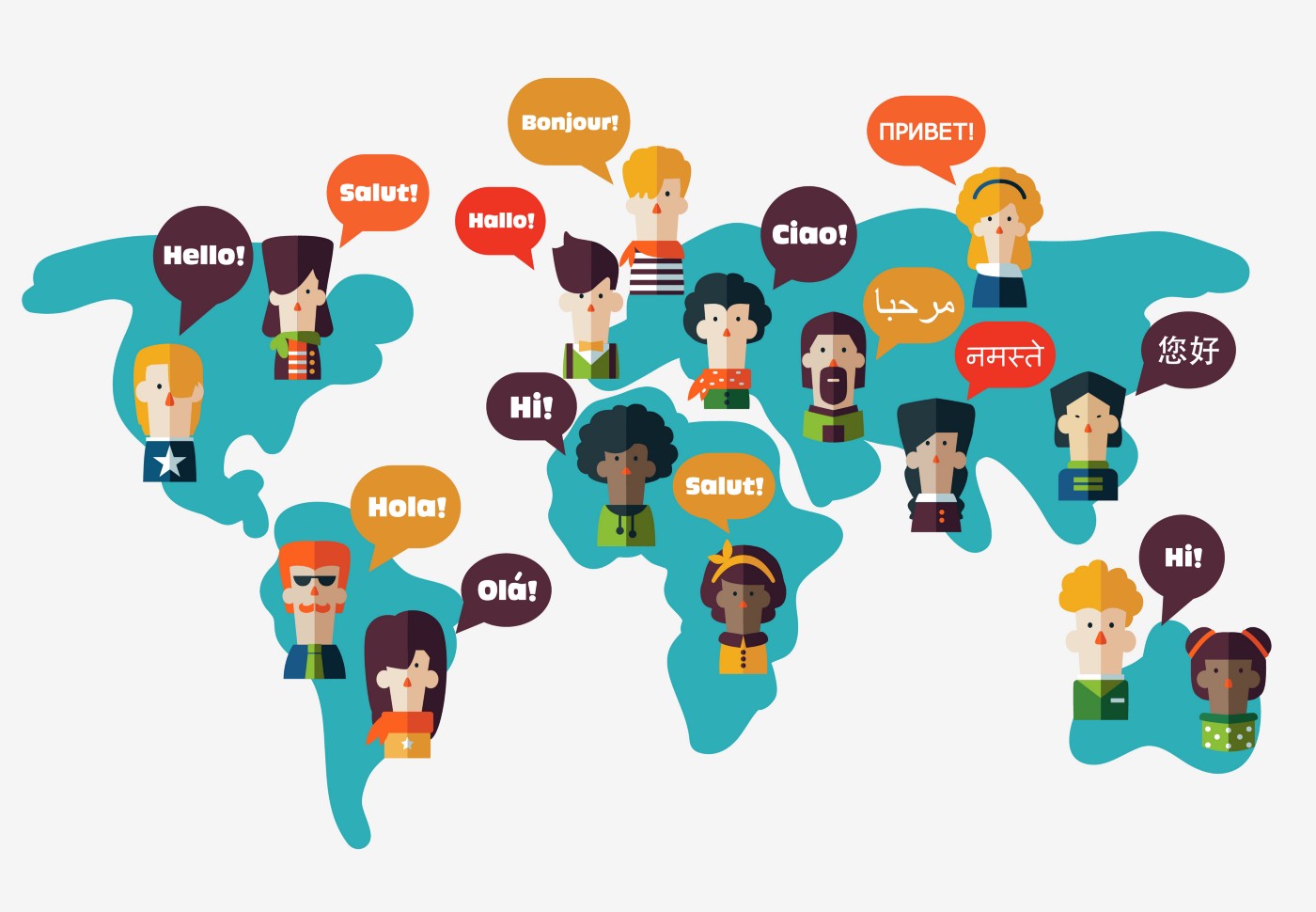
Issues
of translation and intercultural communications arise everywhere in the
contemporary world: in literary texts, on the Internet, in broadcasting and
film, in business, in science, and in questions of human rights. Hence, this course in Translation and
Intercultural Communication takes linguistic translation as its base to offer a
diverse curriculum that allows students to develop their understanding of
translation issues from varied perspectives. Students develop skills in
language use and an understanding of the complexity of communicating across
cultures, nations, and linguistic borders.
- Teacher: NARDJESSE CHAHAT