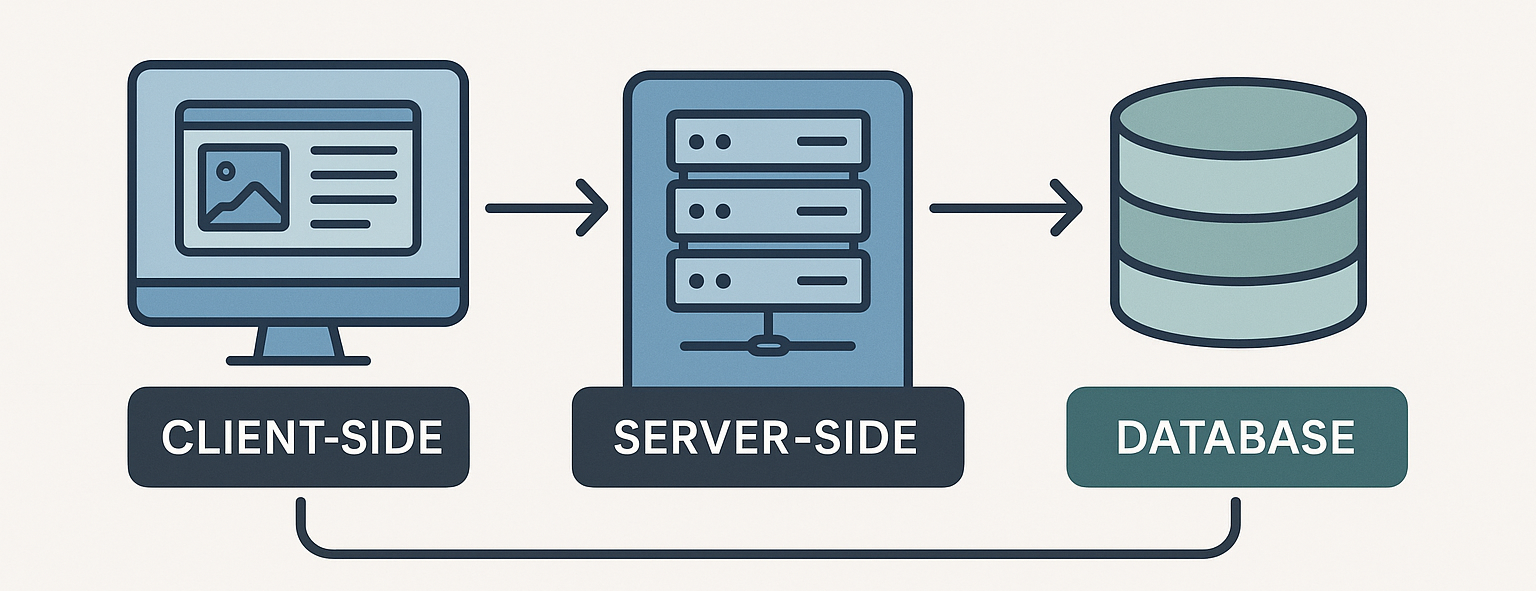
This course explores modern techniques for building dynamic, interactive, and secure web applications. It covers advanced topics such as front-end and back-end Programmong technologies. Students will gain hands-on experience in developing full-stack applications using contemporary technologies and best practices in web architecture and deployment.
- Teacher: DJALILA BOUGHAREB

The growing development of information and communication technologies has profoundly impacted the way organizations and customers operate.
In this module, we aim to present the use of these technological means in the economic sphere and their exploitation in a context of globalization characterized by intense competition between various actors evolving in a single global market. Thus, the course seeks to familiarize students with two key concepts of both the present and the near future: the digital economy and strategic monitoring (competitive intelligence).
After studying this subject, students should demonstrate the following skills:
- Be able to understand the challenges related to the digital sector and the use of certain techniques within an e-commerce solution, such as prospecting and online advertising.
- Master the concept of strategic monitoring (Foresight) and its importance for businesses, as well as the implementation of certain intelligence tools (RSS feeds, newsletters, etc.).
- Be able to lead a competitive intelligence project.
- Teacher: ALI KHEBIZI
The Decision Support Systems (DSS) course introduces the fundamental concepts, components, and methodologies used to design and implement systems that assist in decision-making. It focuses on the integration of data, models, and analytical tools to support semi-structured and unstructured decision problems.
Through this course, students learn how DSS combines human judgment with computational techniques to enhance the decision-making process in organizational contexts.
- Teacher: KARIMA BENHAMZA
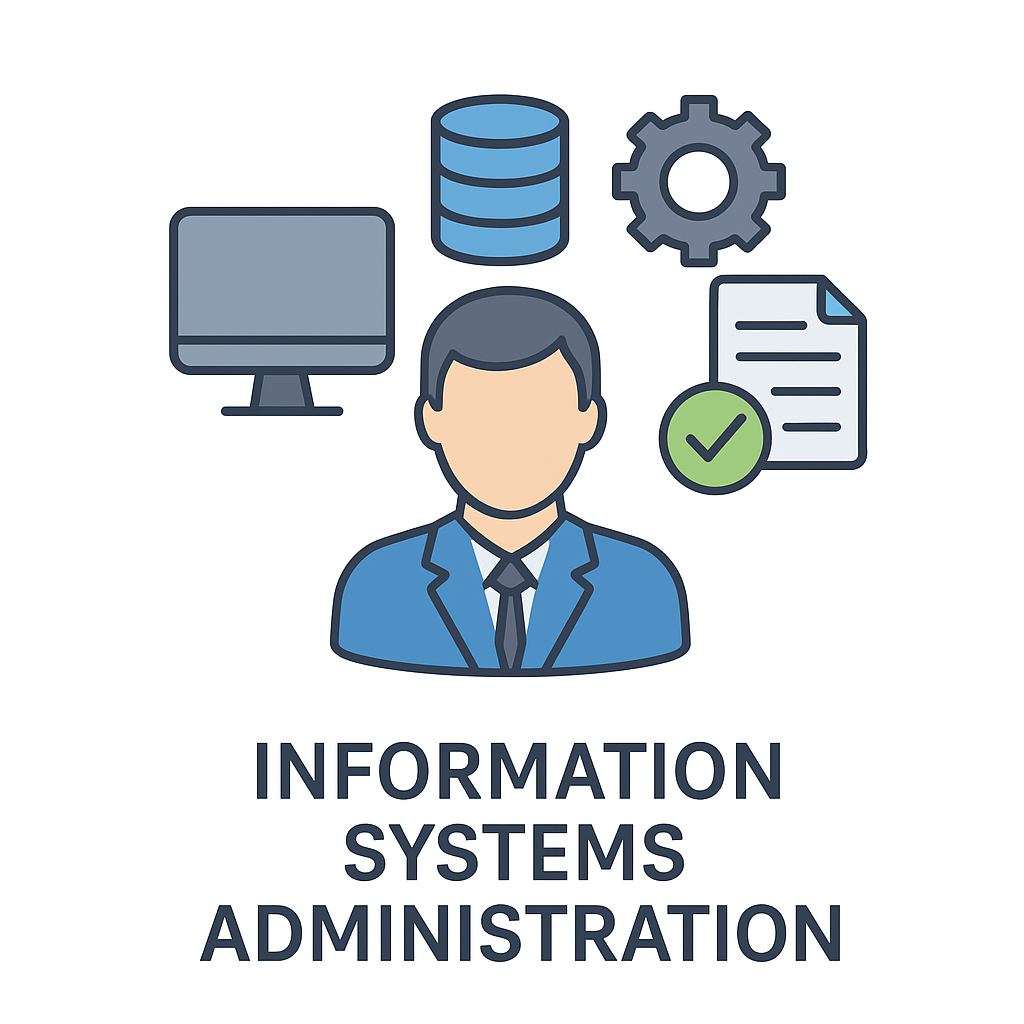
- This course provides students with the knowledge and skills required to administer, operate, and manage enterprise information systems effectively. It focuses on ensuring the coherence, accessibility, availability, and security of organizational information across different systems and platforms.
- Students will explore both theoretical and practical aspects of information systems administration, including the design, configuration, and governance of information infrastructures. The course covers key topics such as Information System (IS) models, Enterprise Resource Planning (ERP) selection and management, Content Management System (CMS) administration, and evaluation of IS performance, security, and ethical practices.
- This course provides students with the knowledge and skills required to administer, operate, and manage enterprise information systems effectively. It focuses on ensuring the coherence, accessibility, availability, and security of organizational information across different systems and platforms.
- Students will explore both theoretical and practical aspects of information systems administration, including the design, configuration, and governance of information infrastructures. The course covers key topics such as Information System (IS) models, Enterprise Resource Planning (ERP) selection and management, Content Management System (CMS) administration, and evaluation of IS performance, security, and ethical practices.
- Teacher: LYNDA DJAKDJAKHA
This course is intended for undergraduate students in the 3ISIL program. It is part of the UEF2 teaching unit. The course aims to: (1) introduce students to software engineering; (2) help them master the UML 2 modeling language in order to present system specifications and designs in a clear and effective way; and (3) enable them to understand the requirements of a development process and to implement an iterative and incremental approach based on successive refinements of UML2 models.
- Teacher: OUARDA ZEDADRA