Sensory analysis has always aimed to better understand consumer preferences. Today, the evaluation of sensations experienced during product consumption has become a major challenge.
Sensory analysis is widely applied not only in the food sector but also in cosmetics, pharmaceuticals, automotive industries, and others. The implementation of appropriate tools to better understand consumer expectations is therefore essential in order to optimize products and ensure their long-term presence on the market.
This course is intended for students in Food Science and aims to prepare them to meet the need for clear guidelines in conducting sensory tests on basic agricultural products, particularly in laboratories where personnel have little or no experience in sensory analysis.
The course is organized into several chapters, including:
definition and objectives of sensory analysis;
fundamentals of sensory physiology;
organoleptic alterations;
basic elements of sensory analysis;
general methodology of sensory evaluation, including evaluation conditions (testing facilities, panel, sampling, and presentation design);
sensory test methodologies according to industrial objectives, including discrimination tests, descriptive tests, and hedonic tests;
sensometrics and statistical analysis of sensory data and their interpretation.
This course does not refer to a single specific source but is based on several reference works, including those of SSHA, AFNOR, Watts B.M., M. Lewandowski, M. Moll, G. Debry, M. Feinberg, P. Hébel, F. Husson, J.J. Claustriaux, and A. Thomas.
In order to continuously enrich and improve this educational material, all comments and suggestions are welcome and will be taken into consideration.
Contact: bousbia.aisssam@univ-guelma.dz
- Teacher: AISSAM BOUSBIA
A Food Standards and Legislation course introduces the laws, regulations, and guidelines that ensure food is safe, hygienic, and properly labeled for consumers. It covers topics such as food safety standards, quality control, national and international regulations, labeling requirements, and the roles of regulatory bodies. The course helps students understand how legal frameworks protect public health and ensure compliance within the food industry.
- Teacher: Yasmine Taleb
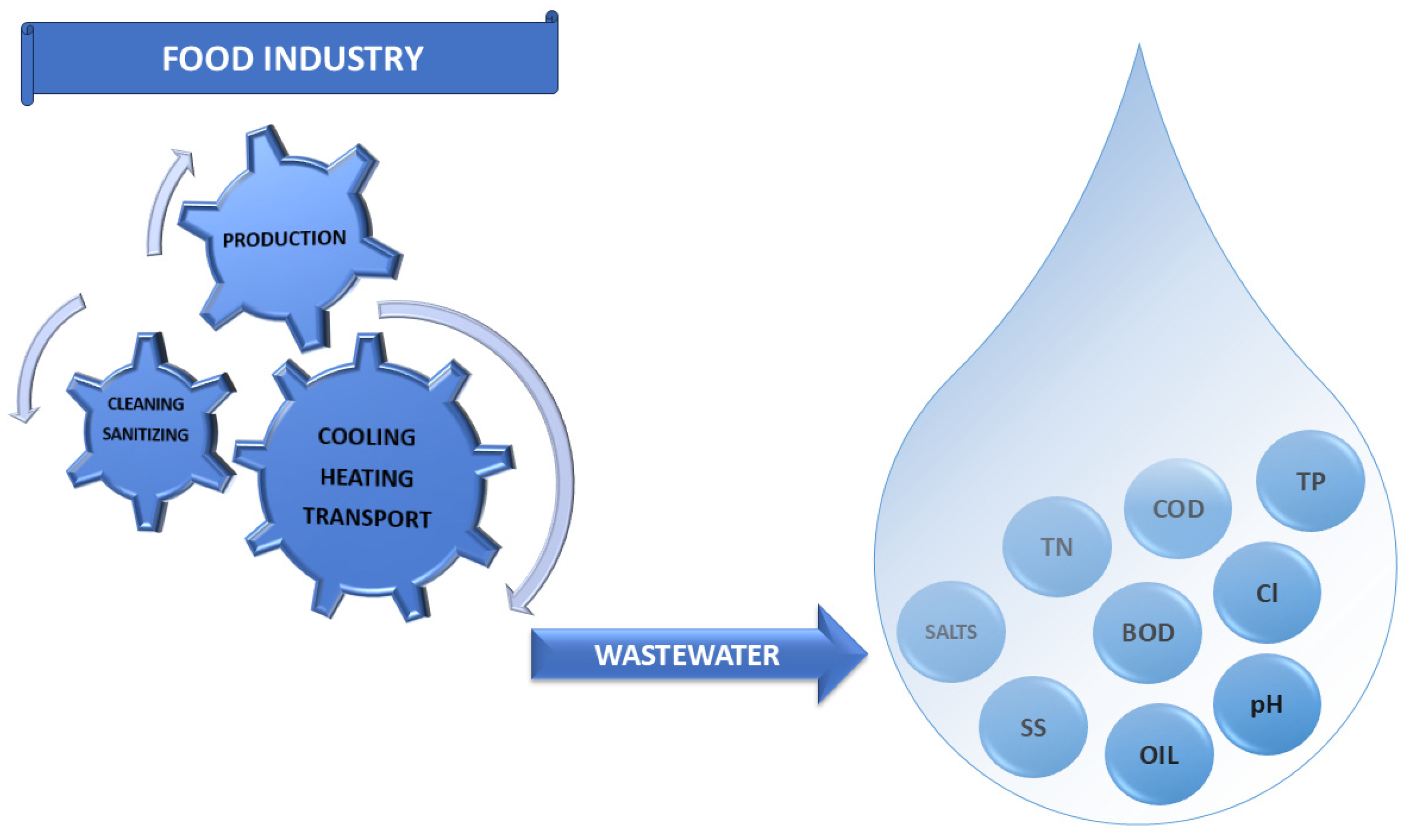
Process engineering encompasses all the scientific and technological knowledge required for the physicochemical and biological transformation of raw materials into a formulated product with a useful value intended for the consumer.
Unit operations in food engineering are one of the main paradigms of process engineering. They consist of breaking down processes into a sequence of elementary operations, where the sequence depends on the objective of the process and the material to be transformed. The value of the unit operations concept lies in the search for scaling-up and design laws, as well as in establishing the process flow diagram and obtaining desirable products with a long shelf life and low production cost. It also serves as a sound guide for the development of technological studies and equipment design. Food engineering unit operations can be classified either according to the process equipment or according to their objective.
- Teacher: Imane Kouadri
- Teacher: DOGHMANE AMINA

This subject deals with compliance with requirements in terms of
hygiene and quality of food stuffs with a view to protecting the health of the consumer on the
one hand. On the other hand provide the necessary tools to master the notion of quality seen by
consumers or users as well as by professionals,
- Teacher: Meryem Bouteldja