The objective of this course is to develop students' mastery of ICT infrastructures and tools, the optimization of data processing, and scientific innovation, in order to support efficient research in life and natural sciences.
- Teacher: chaima labadla
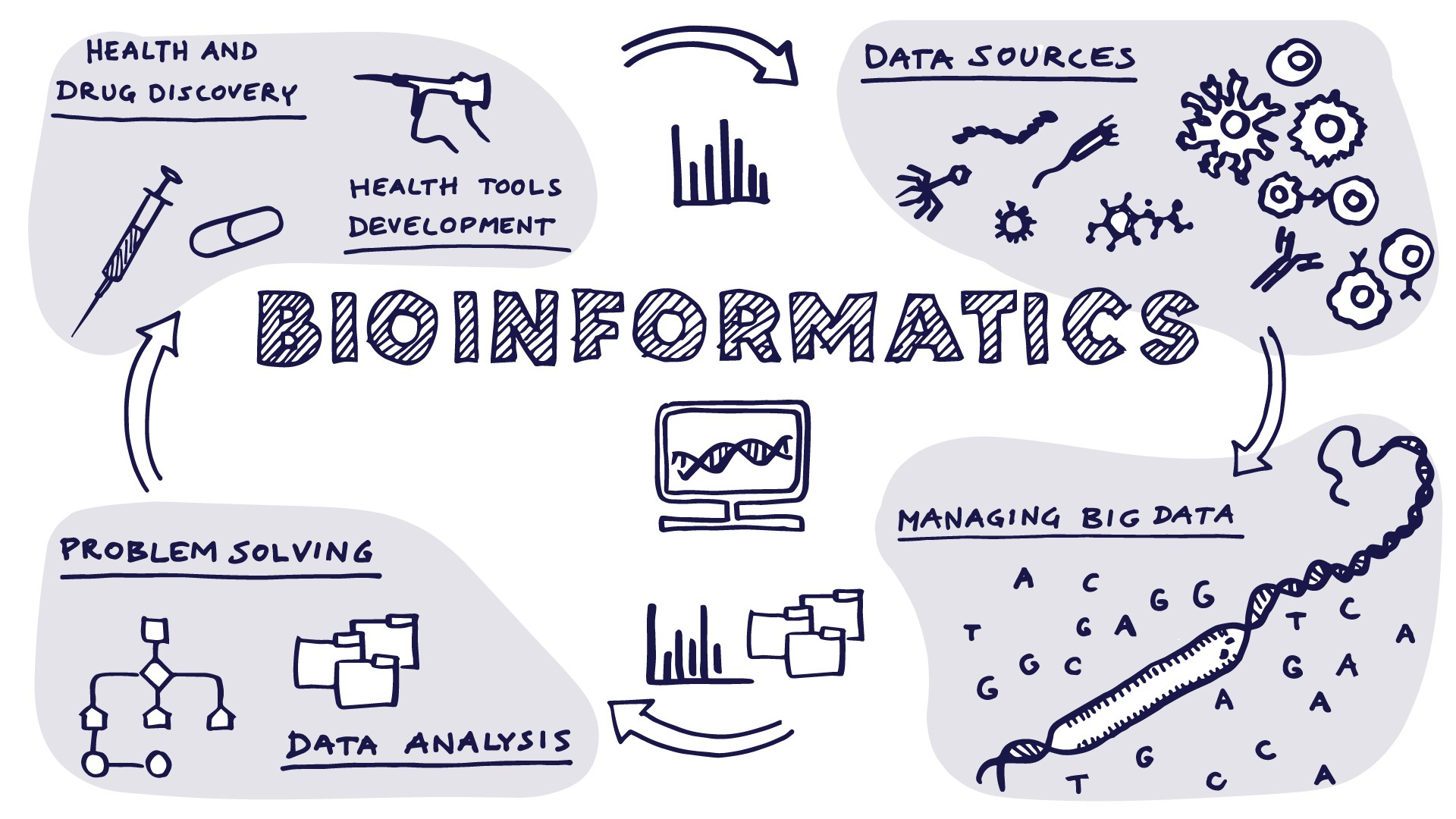
- Structural bioinformatics is the branch of bioinformatics concerned with the analysis and prediction of the three-dimensional structure of biological macromolecules such as proteins, RNA, and DNA. It deals with generalizations about macromolecular 3D structures, such as comparisons of global folds and local motifs, principles of molecular folding and evolution, binding interactions, and structure–function relationships, using both experimentally determined structures and computational models
- Teacher: SALIM BAALI
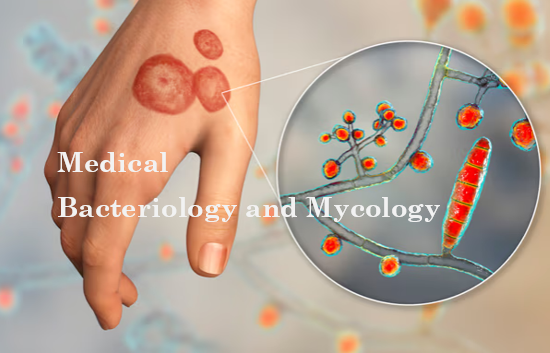
This course provides a comprehensive foundation in the biology, pathogenicity, and clinical relevance of bacteria and fungi responsible for human disease. It introduces students to the fundamental principles of host–microbe interactions, including bacterial virulence factors, mechanisms of pathogenicity, and the determinants of infectious disease.
Throughout the course, students will develop essential competencies in:
· identifying major bacterial pathogens associated with urinary, nervous, digestive, respiratory, cutaneous, and genital infections;
· understanding the epidemiology of bacterial diseases and the mechanisms of antibiotic action and resistance;
· performing and interpreting key diagnostic microbiology tests;
· recognizing medically important molds, yeasts, and agents of deep mycoses, and understanding their clinical significance and diagnostic approaches.
Overall, the course provides the conceptual and practical basis for understanding bacterial and fungal pathogens, the diseases they cause, and the diagnostic processes essential for clinical microbiology. It prepares students for advanced study and professional practice in microbiology, infectious disease, biomedical sciences, and public health.
- Teacher: MERIEM IMEN BOUSSADIA
- Teacher: SAMI SEGNI
This module introduces the concepts and methods of epidemiology
It is intended for students who plan to pursue a professional career in various sectors that collect, manage, and use health data. This module will enable students working in the health field to
1Contribute to the public health and safety of the population
2How improve population health
3Strengthen capacities and strategies for control and prevention
4Analyze statistical and epidemiological data
- Teacher: Mouslim BARA