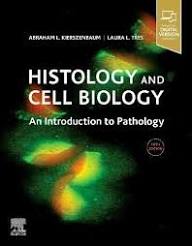
The module is organized into two major complementary parts: cytology and
general histology, which together provide an in-depth understanding of cellular
organization and tissue structure in animals.
Cytology
This
part is devoted to the study of the cell, the fundamental unit of life. It covers
both prokaryotic and eukaryotic cells, presenting the main methods and
techniques used for their observation and analysis. Emphasis is placed on the
structure, organization, and functions of the various cellular organelles, as
well as their role in the overall functioning of the cell.
General Histology.
This
section focuses on the study of the main types of tissues found in animal
organisms. It includes the analysis of epithelial tissues, distinguishing
between covering epithelia and glandular epithelia. The module also addresses
connective tissues (blood, cartilage, bone tissue), muscular tissues, as well
as the structural and functional characteristics of nervous tissue.
- Teacher: ROUHIA MESSIAD
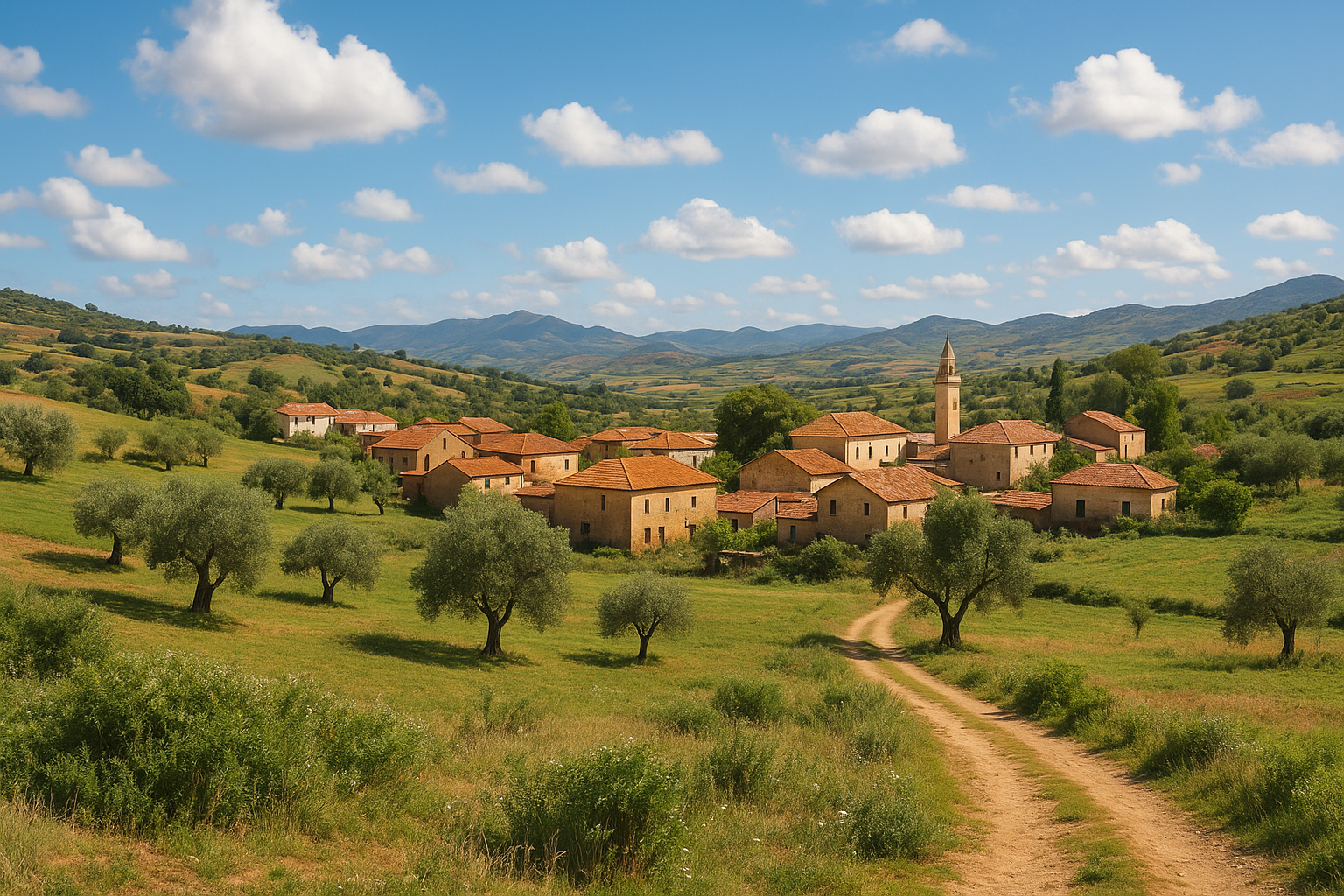
At the end of this lesson, the student will be able to:
Understand key sociological concepts related to rural and agricultural communities.
Recognize how social, cultural, and economic factors influence agricultural practices.
Analyze farmers’ behaviors and decision-making in adopting agricultural innovations.
Identify major social issues in rural areas and suggest appropriate solution
- Teacher: OUARET HEMZA
Geology is the science that studies the structure, composition, and transformation processes of the Earth, which is divided into three main layers: the crust, mantle, and core. These layers interact through mechanisms like mantle convection, which drives plate tectonics. This explains the movement of continents, the formation of mountains and oceans, as well as phenomena such as earthquakes and volcanism.
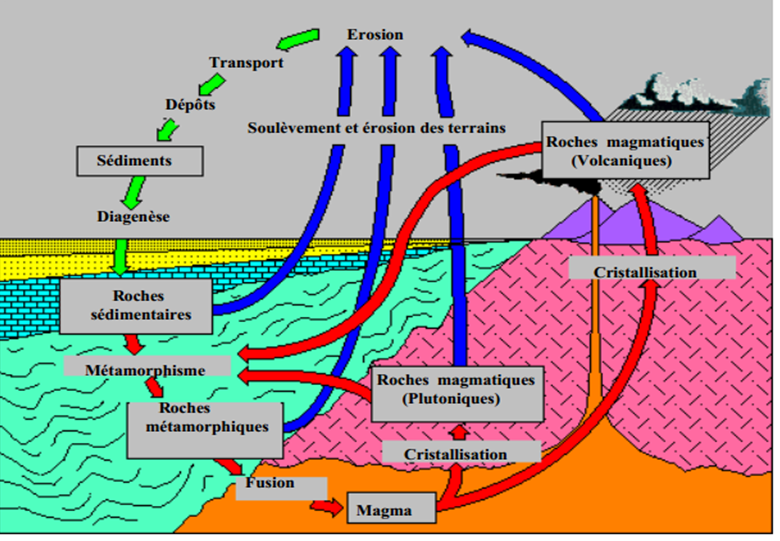
It classifies rocks into three types: igneous (formed from solidified magma), sedimentary (formed by the compaction of particles transported by water, wind, or ice), and metamorphic (transformed by pressure and temperature). Forces of erosion, transport, and deposition shape the Earth’s landscapes, forming features like valleys, dunes, and deltas.
Geology is based on the geological time scale, dividing Earth's 4.6-billion-year history, and relies on the dating of rocks and fossils to understand the evolution of climates, ecosystems, and landforms. It plays a crucial role in the exploration of natural resources (minerals, hydrocarbons, groundwater), the management of natural hazards (earthquakes, landslides, volcanic eruptions), and the study of climate change through geological records. Thus, geology is essential for understanding the Earth and addressing environmental and societal challenges.
- Teacher: LEILA BENNACER
- Teacher: Mohammed es-salih ARIES
This subject aims to discover and deepen the foundations of chemistry acquired
during previous cycles. It consists first of all in providing teaching on the structure
of atoms, chemical bonds, the geometry of molecules, intermolecular forces, and
the states of matter. Subsequently, acid-base and redox reactions will be detailed.
The thermodynamic and kinetic aspects of chemical reactions will be addressed,
giving particular importance to the notion of chemical equilibrium.
- Teacher: RADIA SELAIMIA