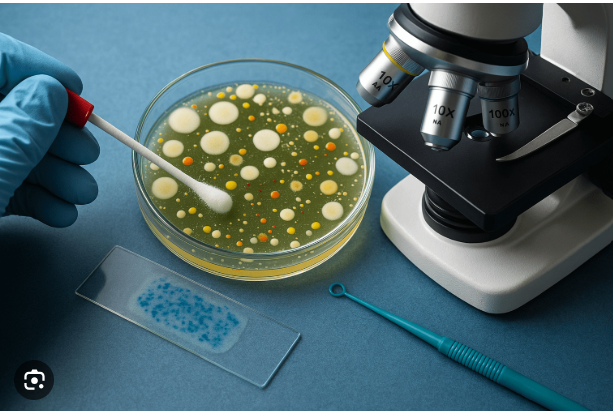
Microbiology is the branch of science that studies microorganisms, including bacteria, fungi, viruses, and algae, which play essential roles in ecosystems, human health, and biotechnology. Within this field, mycology focuses on the study of fungi, encompassing their classification, structure, reproduction, and ecological significance.Virology is the study of viruses, which are acellular infectious agents that require a host cell to replicate. Viruses are responsible for a wide range of diseases and are characterized by their simple structure and high mutation rates. Understanding viral mechanisms is crucial for developing vaccines and antiviral therapies. Algology, or phycology, deals with the study of algae, a diverse group of photosynthetic organisms found in aquatic environments. Antimicrobial agents are substances used to inhibit the growth of or destroy microorganisms. These include antibiotics, antifungals, antivirals, and antiparasitic drugs.
- Teacher: imane haddidi

- Teacher: Meryem Bouteldja
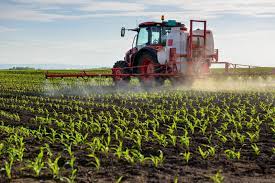
Applied agriculture is the practical use of scientific knowledge to improve farming and food production. It focuses on increasing crop yield, improving food quality, improving food security, solving real agricultural problems, and promoting sustainable use of natural resources.In nowadays the agriculture try to eliminate the use of soil and replace it by hydroponics farming.
- Teacher: insaf malek
- Teacher: AICHA FOUZARI