This course introduces the fundamental concepts and practical methods of applying artificial intelligence to real-world problems. It covers how data is represented, how simple models are built, and how predictions and decisions are made using machine learning techniques.
Students learn core topics such as feature engineering, probability-based classification, basic supervised learning methods, and model evaluation. The course emphasizes hands-on implementation, where students work with datasets, build simple models from scratch, and interpret results in an engineering context.
By the end of the course, students should be able to understand how AI systems are designed, apply basic algorithms to practical problems, and critically evaluate model performance and limitations.
- Teacher: Ahmed TAIBI
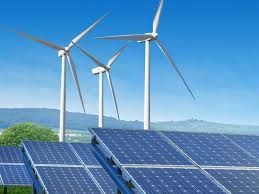
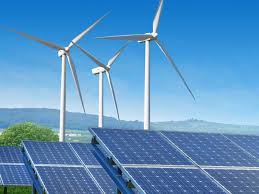
This course aims to deepen knowledge of photovoltaic and wind power systems, with a focus on the selection and sizing of installations. It enables students to acquire the necessary skills to model, design, monitor, and diagnose photovoltaic power plants. Furthermore, it ensures mastery of electrical models and control systems for power electronic interfaces. Finally, it contributes to the acquisition of essential knowledge and skills to meet the needs of the energy sector.
- Teacher: nabti zineb
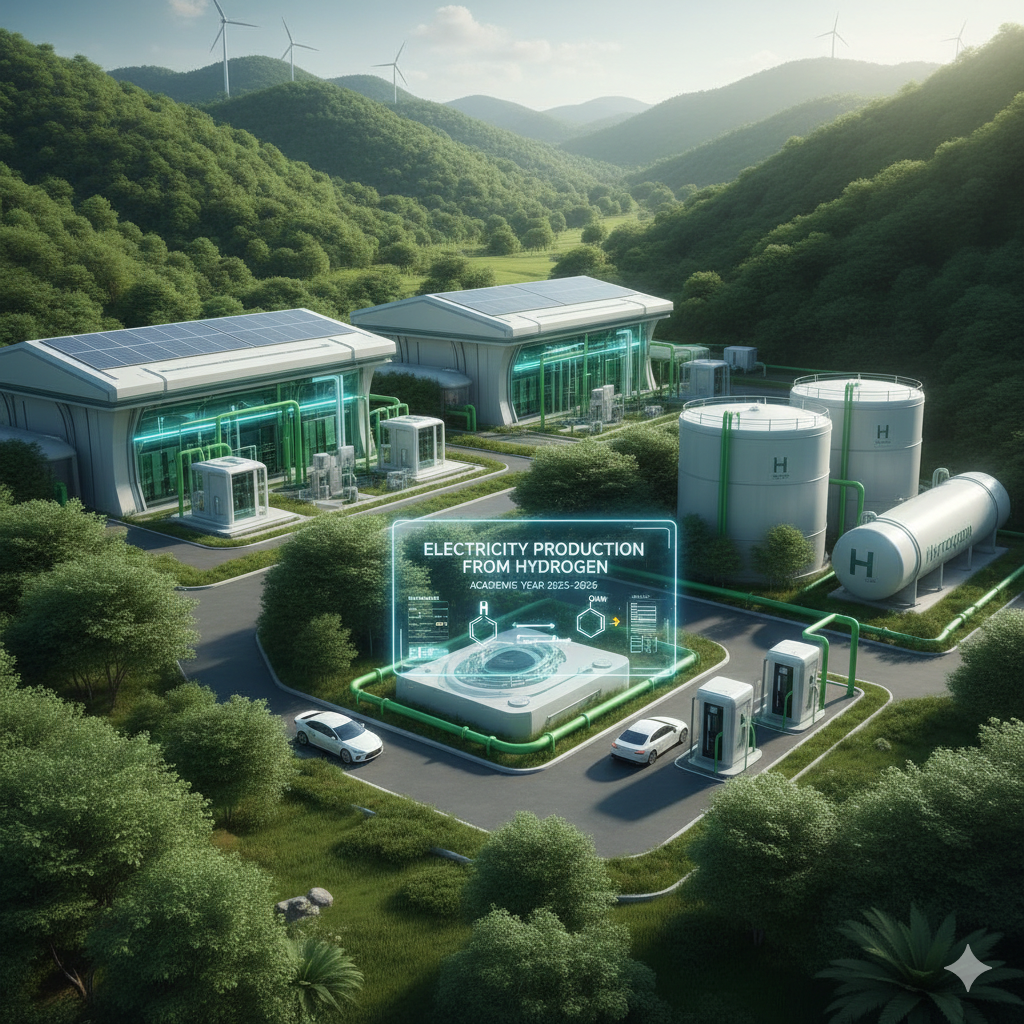
This course provides students with comprehensive knowledge of technologies used for electricity production from hydrogen. Students will be able to understand the strategic challenges for Algeria regarding the preservation of hydrocarbons (natural gas, oil, and derivatives) and environmental protection.
- Teacher: ABDELLAH CHERAITIA
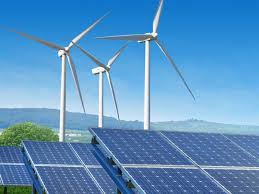
Ce cours vise à approfondir les connaissances sur les systèmes photovoltaïques et éoliens, en mettant l’accent sur le choix et le dimensionnement des installations. Il permet d’acquérir les compétences nécessaires pour modéliser, concevoir, surveiller et diagnostiquer les centrales photovoltaïques. De plus, il assure une maîtrise des modèles électriques ainsi que des systèmes de contrôle des interfaces électroniques de puissance. Enfin, il contribue à l’acquisition des connaissances et compétences essentielles pour répondre aux besoins du secteur de l’énergie.
- Teacher: nabti zineb