To introduce students to the most widely used communications protocols. To teach students how to specify protocols and standards. To distinguish between networks and protocols related to each layer (level) of the OSI and TCP/IP models, and to acquire a solid understanding of the concepts related to different types of networks and protocols.
- Enseignant: OMAR MAHRI
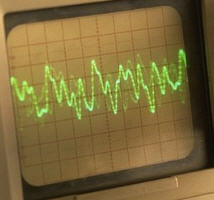
Students will acquire a foundational understanding of signal processing techniques, enabling them to comprehend and apply methods related to random signals and digital filters.
Prior familiarity with deterministic digital signal processing and probability theory is essential for this course. This foundational knowledge is generally acquired during the third year of an undergraduate Telecommunications curriculum.
- Enseignant: Farouk Boumehrez