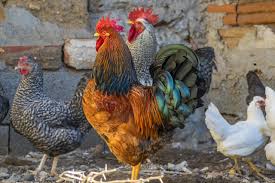
Poultry farming, defined as the set of techniques and practices related to raising domestic fowl, occupies a strategic position in modern animal production. It contributes significantly to global food security by providing animal proteins of high biological value, accessible and economical, in the form of meat and eggs. In many countries, including Algeria, poultry farming represents an essential sector to meet the growing nutritional needs of the population and to support the socio‑economic development of rural areas.
From a scientific perspective, poultry farming constitutes a privileged field of study for veterinary medicine students. It draws upon diverse knowledge in animal husbandry, nutrition, genetics, reproduction, pathology, and hygiene. Mastery of these disciplines is indispensable to ensure poultry health, optimize productivity, and guarantee the sanitary quality of poultry products intended for human consumption.
The importance of poultry farming in the veterinary curriculum also lies in its role as a pedagogical laboratory: it enables future veterinarians to acquire practical skills in farm management, prevention of infectious and parasitic diseases, and biosafety control. Moreover, it provides a concrete field of application for scientific research, particularly in the areas of veterinary public health, food safety, and animal welfare.
Thus, poultry farming is not limited to a production activity; it constitutes a cornerstone of veterinary education, linking economic and nutritional challenges to the sanitary and ethical responsibilities of the practitioner. Its study prepares future veterinarians to address contemporary challenges related to the sustainability of animal production systems and the protection of both human and animal health.
- Enseignant: MONCEF BENTEBOULA