Mettre en application des notions relatives aux opérations unitaires du Génie des Procédés, au niveau des équilibres entre phases, des bilans et des transferts de matière. Apprendre à faire des mesures fiables en adsorption et séparations membranaires,· développer l’esprit critique, apprendre
- Enseignant: SALAH FRIOUI
This course introduces the fundamental concepts and practical methods of applying artificial intelligence to real-world problems. It covers how data is represented, how simple models are built, and how predictions and decisions are made using machine learning techniques.
Students learn core topics such as feature engineering, probability-based classification, basic supervised learning methods, and model evaluation. The course emphasizes hands-on implementation, where students work with datasets, build simple models from scratch, and interpret results in an engineering context.
By the end of the course, students should be able to understand how AI systems are designed, apply basic algorithms to practical problems, and critically evaluate model performance and limitations.
- Enseignant: Ahmed TAIBI
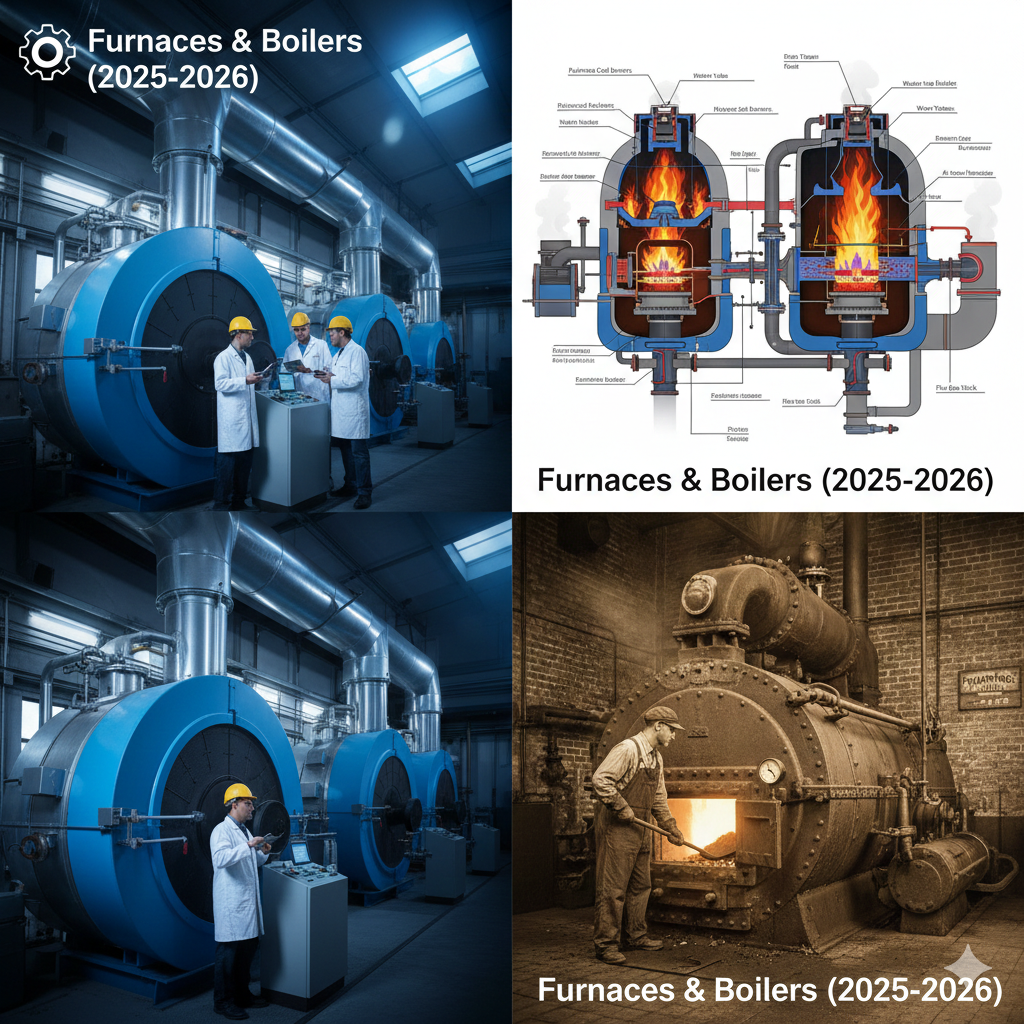
Explain the operation of industrial furnaces and boilers.
Establish an energy balance of a furnace or a boiler and determine the thermalefficiency of the equipment.Identify the sources of energy losses in these pieces of equipment and the methodsfor optimizing the heat balance.Describe the main operating procedures of heating equipment.- Enseignant: ABDELLAH CHERAITIA
- Enseignant: KARIMA BELGUIDOUM
The main objective of this course is to provide students with knowledge of hydrodynamics in real or non-ideal reactors, the main models of homogeneous reactors and notions of bioreactor operation.
- Enseignant: RABAH KSOURI